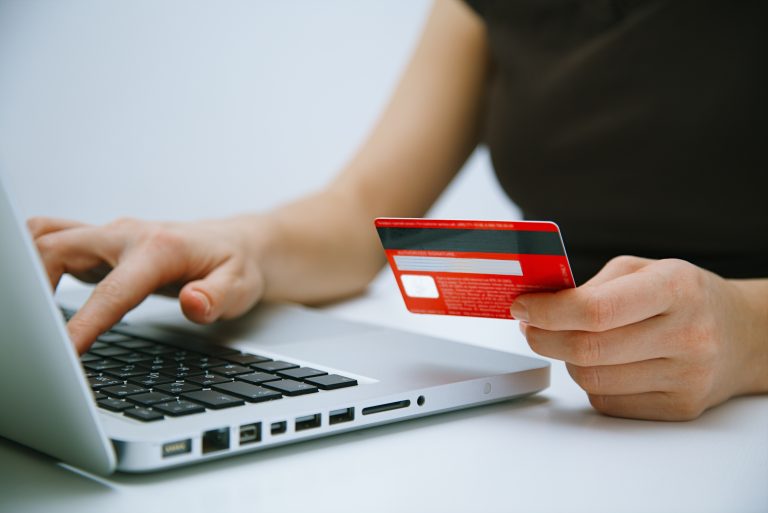
Credit Cards
Who Are You? A Guide To Protecting Your Identity Online
The most rapidly growing crime in the U.S. is identity fraud. It might take you up to a year to realize that you have been targeted buy identity thieves. By then, it is much harder to undo the damage that would undoubtedly have been done to your credit record; track all the fraudulent purchases that have been made; and even worse, persuade all the lenders who have provided credit to someone in your name that you really didn’t receive a cent of the money. In the last year, an estimated 10 million U.S. citizens became victims of identity fraud with the total cost in the region of $5 billion; a lot of money. In some cases, there were steps that could have been taken in order to keep personal data more secure whilst online.
If some-one walked up to you on the street and said they could offer you a cheap loan but you would need to give them you social security number and bank account, would you do it? The answer is, of course not. However, difficult economic times means that many people are driven to desperate measures in order to try and get the best deal possible and for those with a few blips in their credit history, the promise of a credit card or loan approval can blind them to the risks online.
There are many reputable firms doing business online which may not be as well known as some of the big names seen on the high street. Of course this doesn’t mean you shouldn’t use their services, but caution should be exercised about who you provide confidential and sensitive information to. A preferred way to access providers is through a trusted source, such as a comparison website like Money Supermarket.
Ensuring that personal data is only given out to verified lenders is not the only way to stop identity theft. The digital age has a vast array of benefits, but one of the downsides is that far more information is available online, making it easier for identity thieves to get the details they need. Whilst many may see them as just a bit of fun, social networking sites can be a mine of information for those looking to steal your identity and can provide sufficient information to pass data protection checks.
Steer away from websites that look dodgy and if you are visiting one that is sending off alarm bells in your head, close your browser and exit immediately. It is always better to feel silly than to regret not listening to your instincts. It is also essential that purchases are always made on a secure site that you trust and that any wireless connection in encrypted. It is vital that different passwords are used for each account you need one for. Admittedly, this can be a bit of a pain, but having just one will allow identity thieves to access everything if they manage to hack it.
Identity theft isn’t always obvious and thieves have become increasingly clever in how and what they target, meaning that unless you have alerts set up on your credit file, they can silently worm their way around for some time before you become suspicious. It may not be until you have a card refused that you know has plenty of credit or a loan turned down, that you discover you have been a victim.
There is help available out there to ensure no further damage is done and to reclaim any funds spent by fraudulent means. However, repairing the credit file can be far more time-consuming and difficult and in the meantime, any application for credit may be refused or higher rates applied. It’s always better to prevent the problem than to treat it afterwards.
This article was brought to you by Money Supermarket.